


What an AI agent estimate includes
Aranv explains what drives AI agent development cost for small and midsize businesses: the tasks the agent handles, the systems it connects to, the data it needs and the checks around it, plus how we reach a fixed estimate and what the agent costs to run.
What drives the cost. The main drivers are the number of distinct tasks, how many systems the agent reads from or writes to, the state of the data, how much it may do without approval, and the depth of testing the risk calls for. Our AI agent development page shows the kinds of agents we build, and AI consulting compares a custom agent with AI features already in your CRM or help desk.
How we estimate. Two agents with the same one-line description can differ widely in effort, so we do not quote from a first call. A short discovery phase comes first, and the AI project readiness checklist shows what to have ready for it.
Where an AI agent budget goes
Four parts of the cost
- 01 Discovery and design Mapping the task, the systems involved and the cases to refuse.
- 02 Integrations and data Connecting CRM, email or ERP and preparing source documents.
- 03 Guardrails and testing Permissions, approval steps and an evaluation set of real cases.
- 04 Running costs Model usage, hosting, monitoring and updates after launch.
Integrations and data preparation often take more effort than the AI model itself.
Scope choices that change the budget
The same request can be scoped small or large. These four decisions move the estimate most.
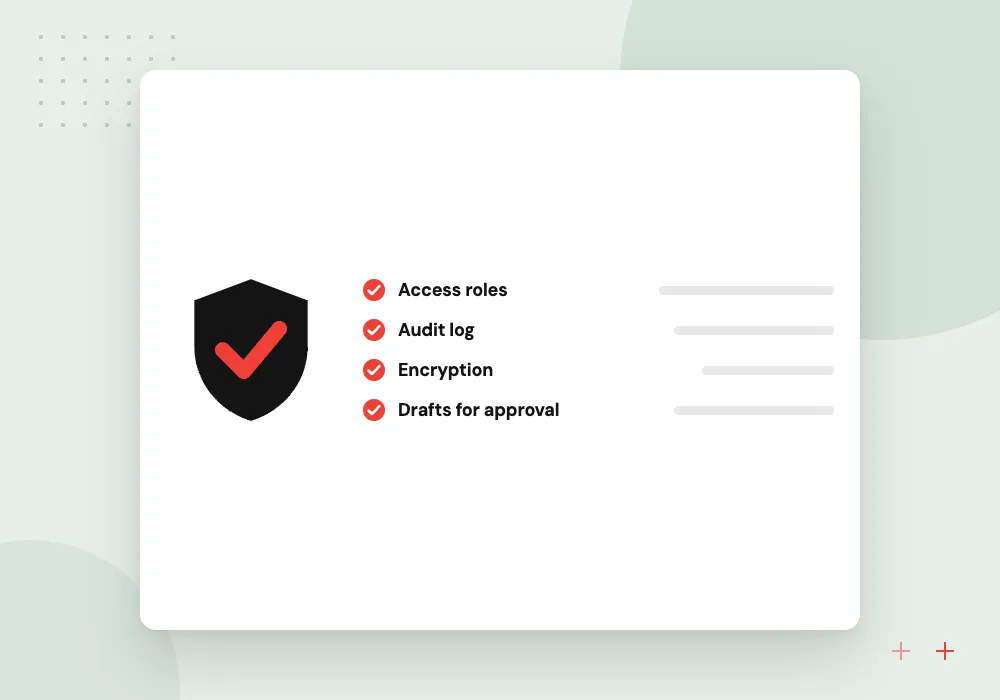
Read-only or taking actions
An agent that looks things up and drafts replies needs fewer controls than one that updates records or issues refunds.
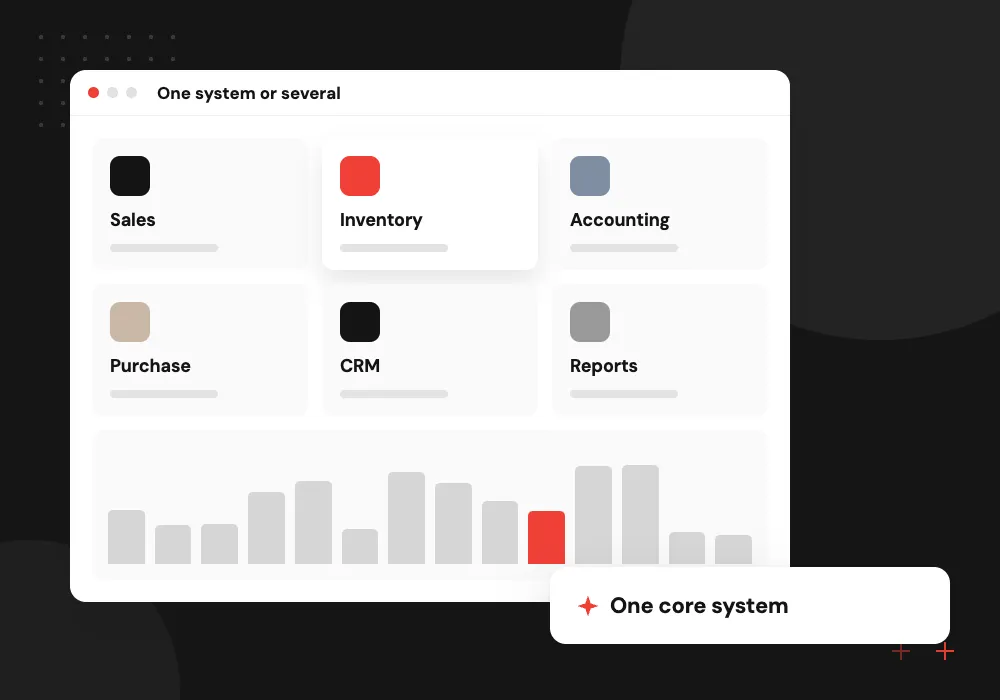
One system or several
Each connected system adds sign-in handling, error cases and testing. Starting with the one that holds most of the data keeps phase one small.
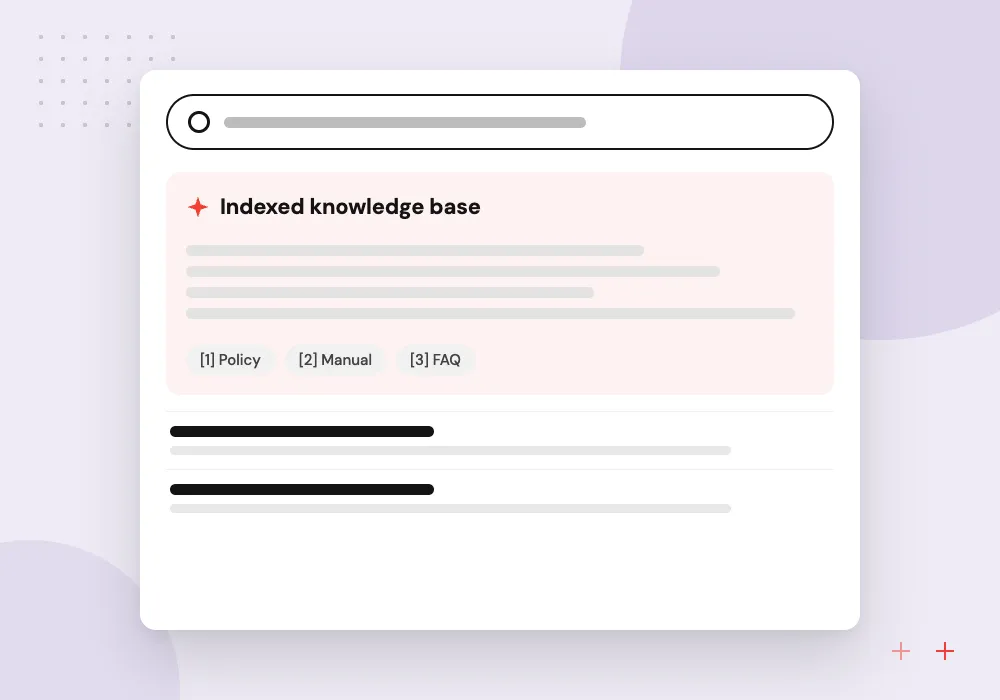
Clean or scattered knowledge
Organized help articles are quick to index. Scanned PDFs and conflicting versions need cleanup first.
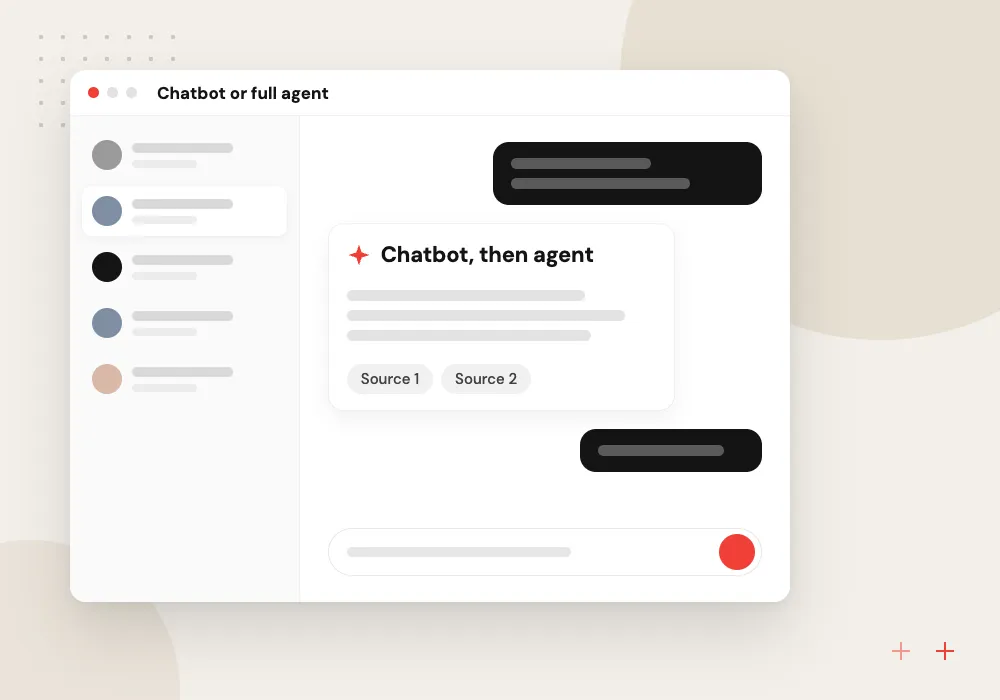
Chatbot or full agent
A chatbot that answers from approved content is a smaller build than an agent that plans steps across systems.
What the discovery phase hands you
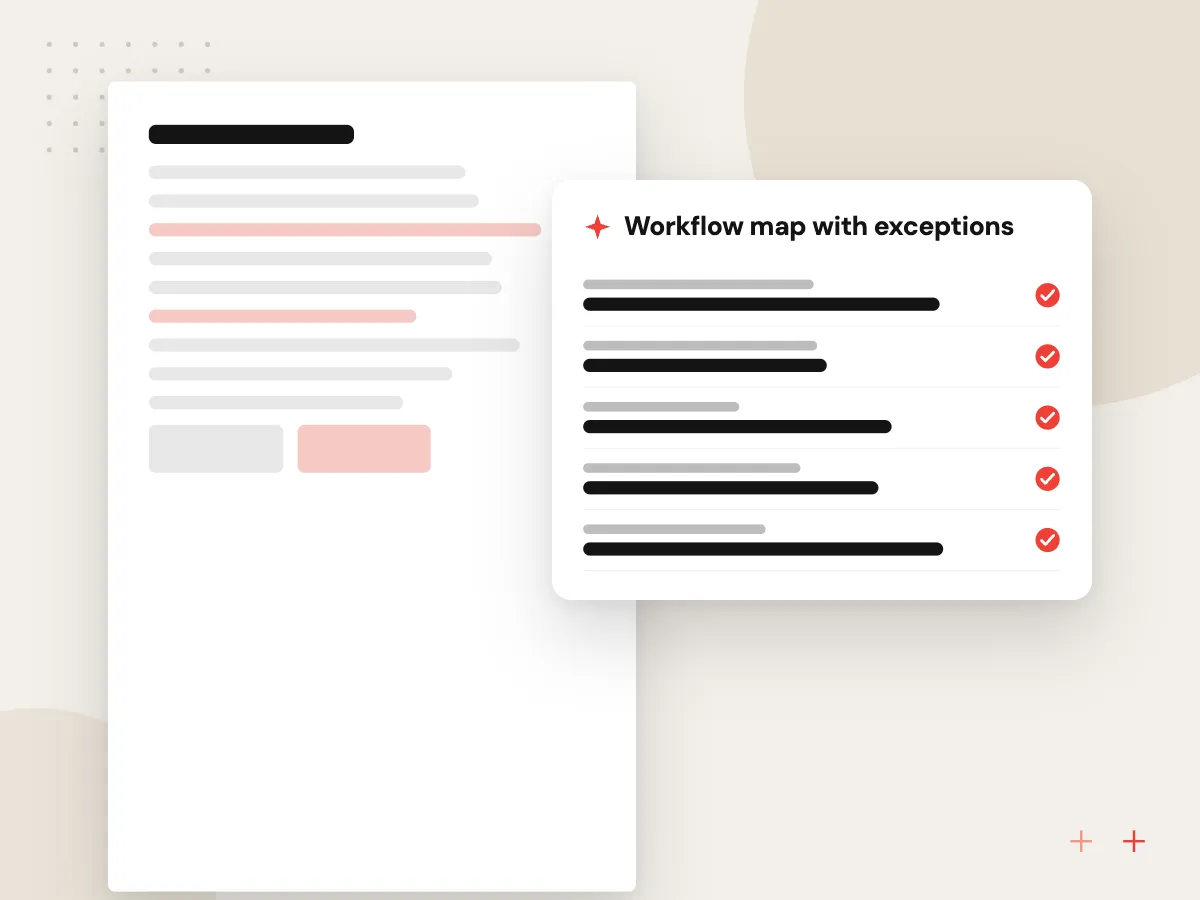
Discovery ends with written outputs that make the estimate checkable: a map of the workflow with its exceptions, a list of every system and permission involved, real sample cases with the correct outcome for each, and a plan split into phases with the first release estimated at a fixed amount.
What we do
- Workflow map with exceptions
- System and permission inventory
- Sample cases with expected answers
- Phased scope and fixed first estimate
- Monthly running cost forecast
Testing and review time in the budget
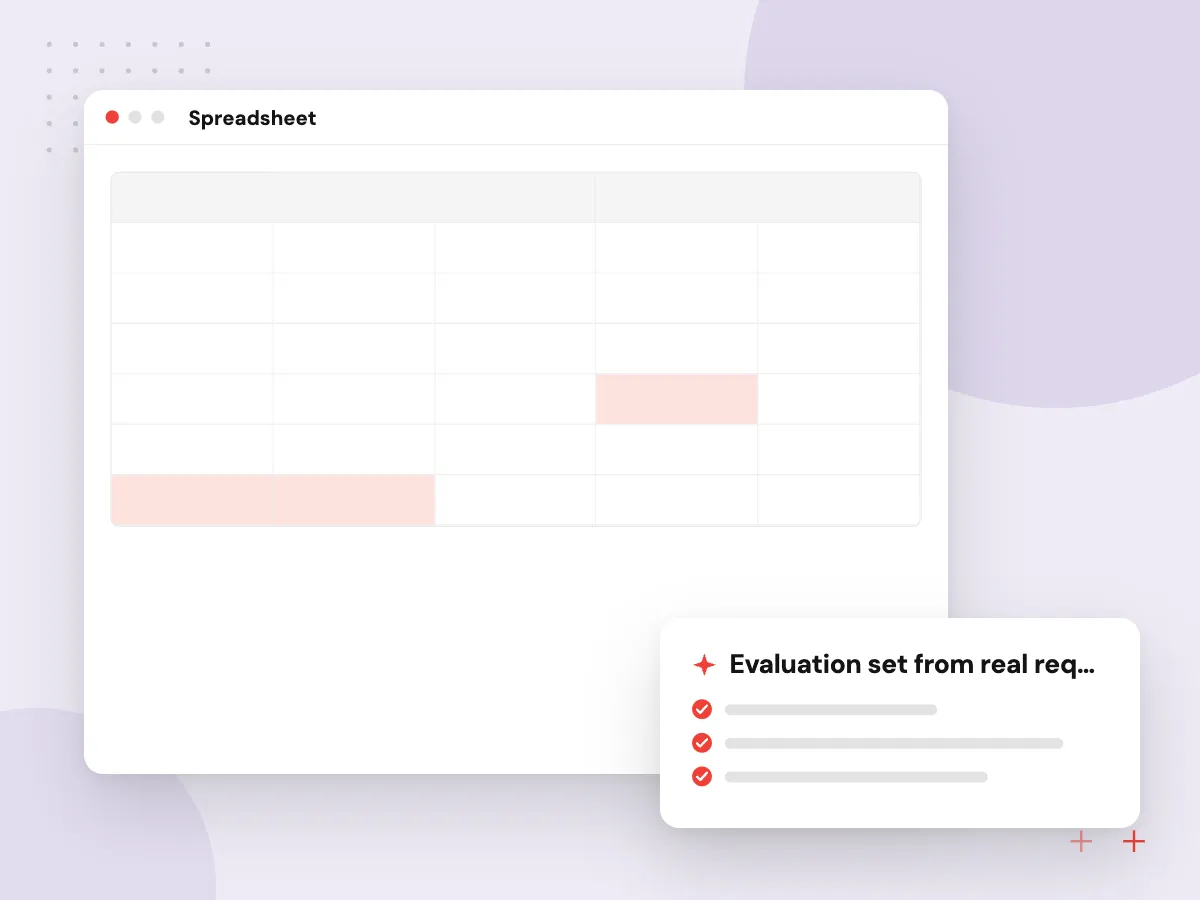
Testing is its own line in the estimate. We build an evaluation set from your own past requests, agree with you what a correct answer looks like, and plan time for staff to check drafts during the first weeks. Agents that change records need more of this than agents that only read.
What we do
- Evaluation set from real requests
- Pass criteria agreed with your team
- Staff review time in early weeks
- Retesting when a model is replaced
- Logs showing cost per request

How we approach a project
Running costs after launch. Providers bill model usage by the token, so cost grows with conversation volume, prompt length and the documents sent with each request. Add hosting, a vector database if the agent searches documents, logging and monitoring, and time for updates when a provider retires a model or your process changes.
How to keep cost down. Start with one high-volume workflow and a read-only agent, then add actions once results hold up. Send the model only the context it needs, use smaller models for routine steps such as sorting requests, and use prompt caching and batch processing where providers offer them. If the job is mainly answering from documents, RAG and knowledge search or an AI chatbot may be enough.
How we work
- Estimate after discovery, not before
- Start with one workflow
- Running costs shown up front
Our Process
-

Workflow walkthrough
Your team shows us the task as it runs today, including exceptions and handoffs.
-

Data and system check
We sample documents, test API access and note what needs cleanup first.
-

Prototype on real cases
A small prototype runs against your examples, so the estimate rests on evidence.
-

Phased estimate
A written scope, a fixed estimate for release one and a monthly running cost forecast.
How Aranv helps you budget
Estimates grounded in your cases
A small prototype runs on examples from your business before the first release is estimated, so the figure reflects your documents and systems rather than a guess.
Running costs shown with the build
The proposal includes a forecast of monthly model, hosting and monitoring costs at your expected volume, so the yearly cost of the agent is visible before you approve it.
Advice on smaller options
If a chatbot, a search tool or a feature already in your help desk would do the job, we tell you before you pay for a custom agent.
Phases you can stop between
Each build phase ends with working software and a decision point, so you can pause, change direction or continue based on what the first release showed.
Let’s talk about your next step.
Tell us about your workflow, current tools and goals.
AI agent cost FAQs
-
How much does an AI agent cost?
It depends on scope, so we give a fixed estimate after discovery rather than a range on a first call. The biggest factors are the number of tasks, the systems involved, the condition of your data, and whether the agent only reads information or also takes actions that need approval.
-
How does AI chatbot cost compare with an AI agent?
A chatbot that answers from approved content usually needs less work than an agent that acts across systems. AI chatbot cost depends mostly on the amount and quality of content, the number of channels and the handoff to your support staff. Agents add tool integrations, permissions and more testing.
-
What are the monthly running costs of an AI agent?
Model usage billed per token, hosting, storage for search indexes, monitoring and a maintenance allowance. Volume is the main variable, so we model it from your current numbers, such as tickets per month, and include the forecast with the estimate.
-
How should we set an AI project budget?
Budget in phases. Fund discovery first, then a first release covering one workflow, and keep part of the budget for changes after real users try it. Include running costs for the first year so the agent is not switched off for lack of funds.
-
Is an open-source model cheaper?
Sometimes. Self-hosted open-weight models remove per-token fees but add server, setup and upkeep costs. They suit high volumes or strict data rules; for most first projects, a hosted model through an API is cheaper to start.

Let’s talk about your next step
Contact Aranv to discuss your workflow, current tools, and goals. Meet with our team or send an inquiry.
Book a meeting with our team
Choose an available date and time for a 30-minute conversation about your project.
Tell us about your project
Share a few details so we can discuss a useful next step.
Prefer email? sales@aranv.com