


What an agentic AI project includes
Aranv provides agentic AI development for small and midsize businesses whose workflows run over hours or days and cross several systems. We design teams of AI agents with defined roles, an orchestrator that passes work between them, and human checkpoints with full tracing, so long processes finish reliably.
First we check whether you need more than one agent. Many tasks are handled well by a single agent with good tools, which is the work of our AI agent development service. Several agents make sense when stages need different instructions or permissions, or when a workflow is too long for one context.
AI agent orchestration is the core design work: each agent’s role, inputs, outputs and allowed tools, the order of handoffs and what happens on failure. Tools are exposed through the Model Context Protocol where your systems support it, or through direct API calls.
How a multi-agent workflow is organized
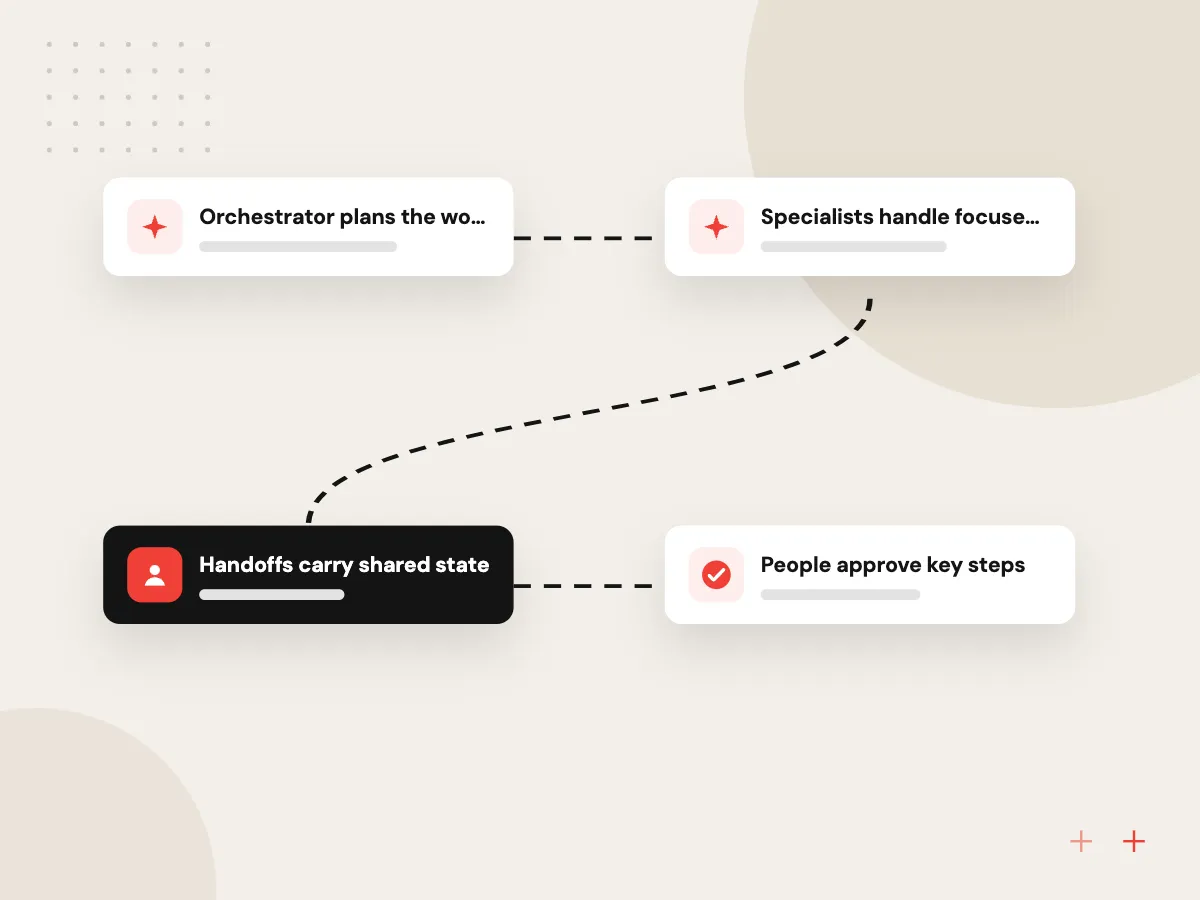
Orchestrator, specialists, checkpoints
- 01 Orchestrator plans the work It breaks the goal into tasks and assigns each one to a specialist agent.
- 02 Specialists handle focused tasks Research, drafting, lookup and checking agents each use only their own tools.
- 03 Handoffs carry shared state Each handoff passes a structured record of what is done and what comes next.
- 04 People approve key steps The run pauses at checkpoints and resumes after approval, even days later.
Every agent step, tool call and handoff is traced, so any outcome can be explained afterward.
Multi agent systems for longer workflows
Agentic AI earns its extra complexity when a process has distinct stages, several systems and waiting periods between steps.
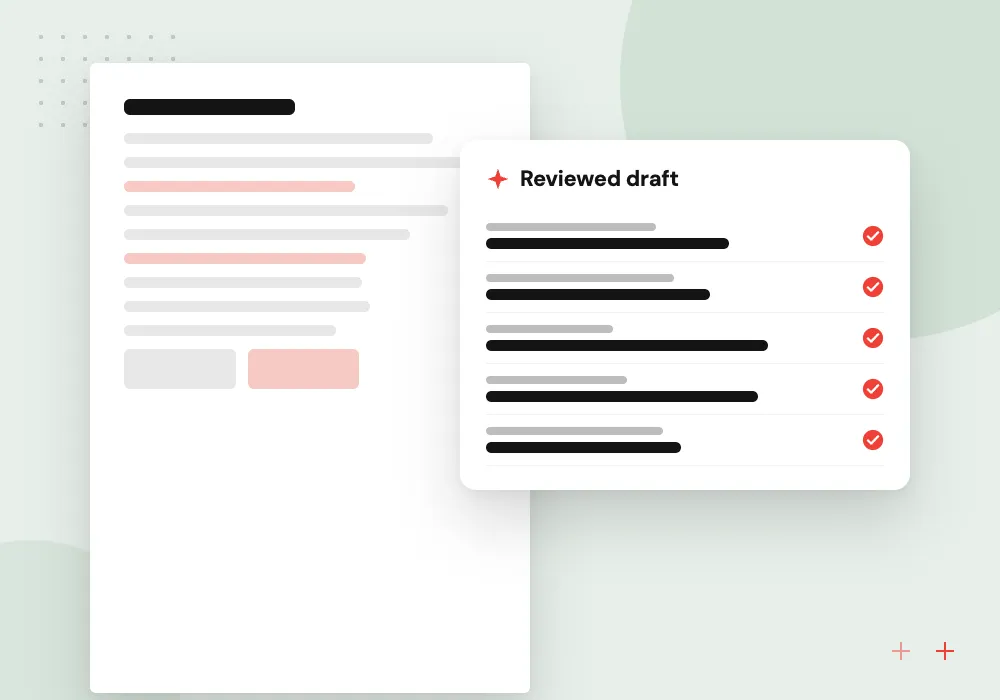
Proposal and RFP responses
Agents extract requirements, pull approved past answers, draft sections, check compliance and assemble the document for review.
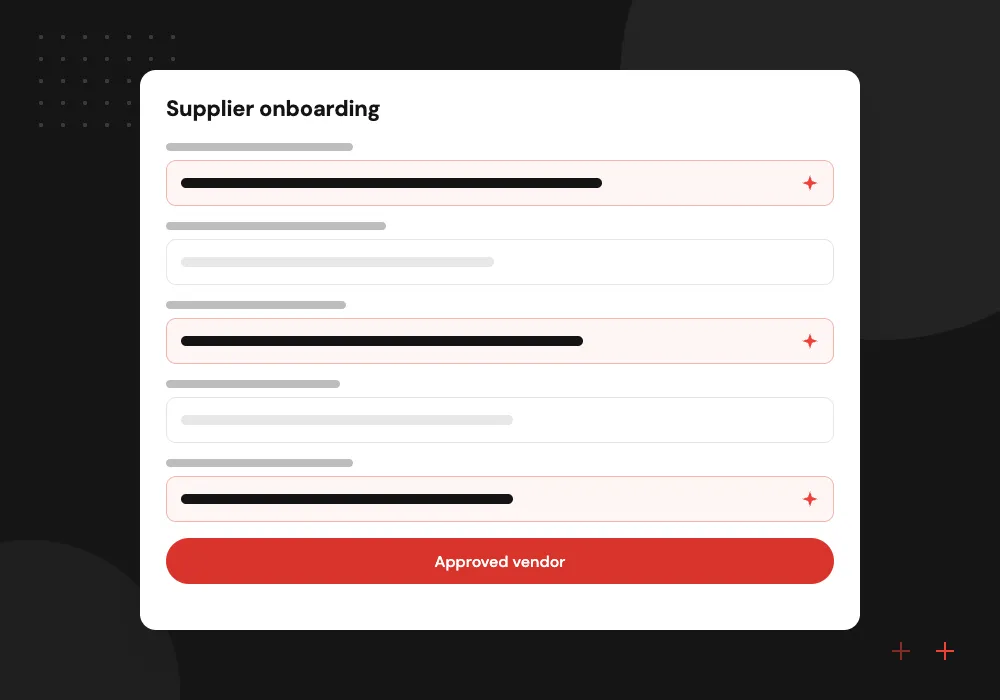
Supplier onboarding
One agent collects documents, another verifies tax and bank details, and a third creates the vendor record after approval.
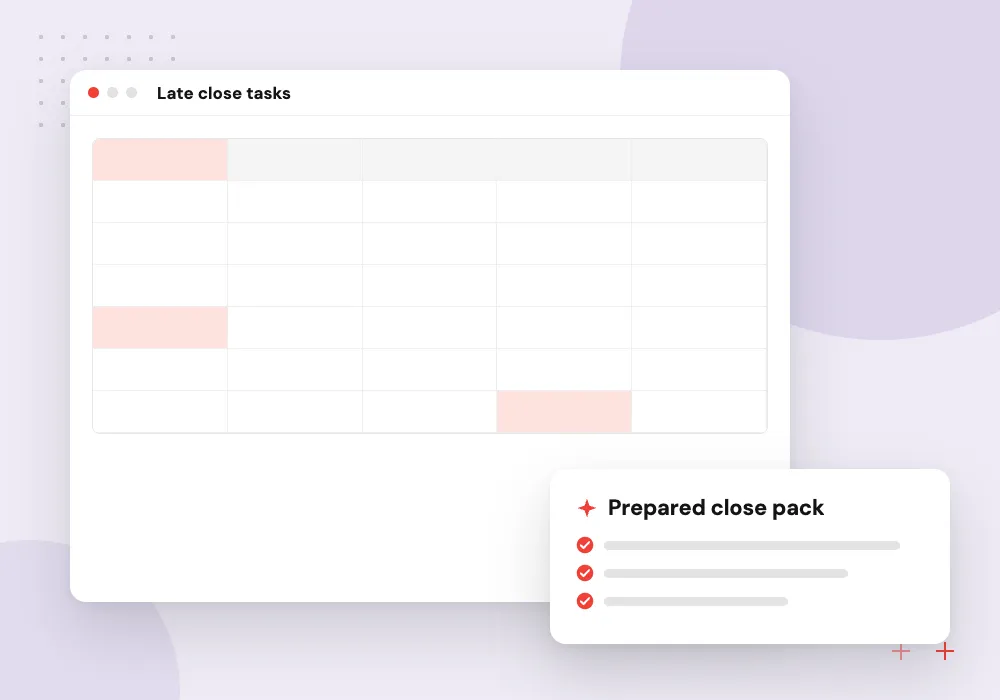
Month-end close preparation
Agents reconcile accounts, request missing receipts from staff and prepare variance notes for the controller.
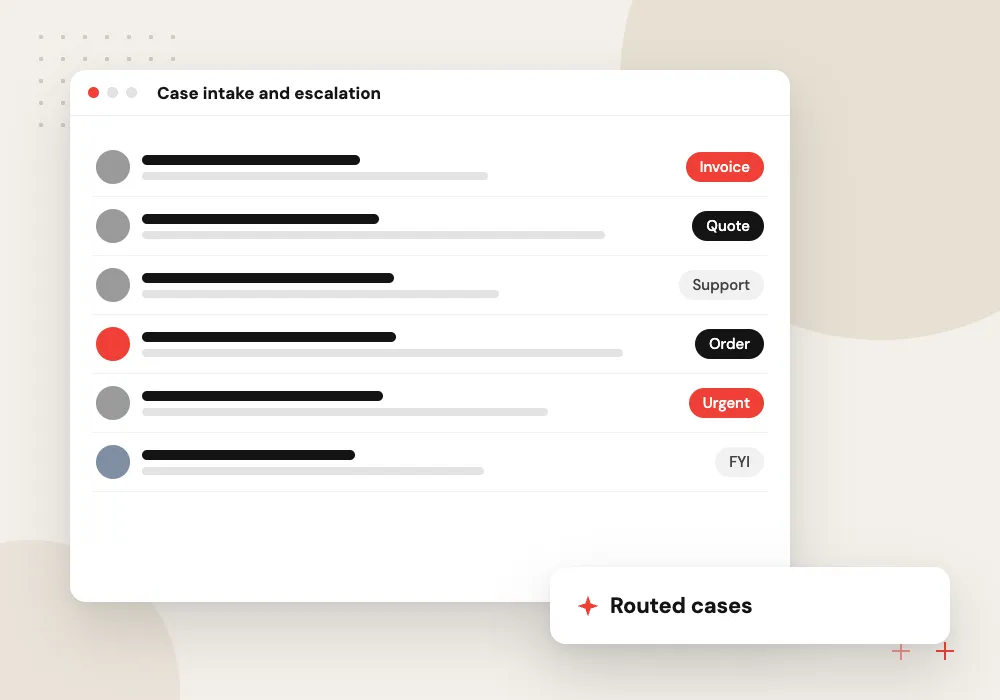
Case intake and escalation
Requests are classified, enriched with records, passed to the right specialist agent and escalated to staff when rules require.
Orchestration that survives long waits
The orchestrator decides which agent acts next and what it receives. We write it as plain code or a state graph, store each run’s state in a database and make every step safe to retry, so a server restart or a three-day wait for a manager’s approval does not lose work.
What we do
- Agent roles and tool lists
- Typed handoff records
- Saved run state and safe retries
- Step, loop and spend limits
- Pause and resume at approvals
Traces, test sets and reviewer queues
Every run leaves a record your team can open: what each agent was given, the tools it called, what it returned, how long it took and what it cost. We turn your past cases into a test set, score each stage before release and send flagged steps to a named reviewer.
What we do
- Step-by-step run traces
- Test set from your past cases
- Per-stage scores before release
- Queue for low-confidence steps
- Failure review with the process owner

How we approach a project
Agents built on different platforms can now talk through open protocols. Google introduced the Agent2Agent (A2A) protocol in April 2025, and it became a Linux Foundation project that June. We adopt such standards where they help, while most workflows run inside one framework your team controls.
Oversight is designed in, from a trace of every step to limits on loops, spend and tool access. Our AI governance and security work sets the policies these controls enforce.
Enterprise AI agents must fit the systems you already run: CRM, ERP, document stores and email. The integration layer is covered under LLM integration, and our AI agent development cost guide explains what drives budget.
How we work
- One agent when one is enough
- Clear roles, narrow permissions
- Durable runs that survive restarts
Our Process
-

Workflow mapping
We trace the process end to end with its owners: stages, systems, decisions, waiting points and failure cases.
-

Agent and handoff design
Roles, tools and permissions are assigned to each agent, and the handoff schema and checkpoint rules are written down.
-

Replay past cases
Before launch, recorded past cases run through the system and each stage is scored against the known outcome.
-

Supervised operation
Early live runs are watched closely through traces, and checkpoints are relaxed only where results hold up.
Why Aranv for agentic AI
Fewer agents when that works
We add a second or third agent only where a stage needs its own instructions, tools or permissions. Each extra agent adds cost, delay and one more place for errors.
Least privilege for every agent
Each agent runs with its own credentials and only the tools its role needs, so a drafting agent cannot edit ERP records or send email on its own.
Approvals placed by your rules
Checkpoints sit where your business already asks for a signature, such as payments, vendor changes or customer commitments, rather than where they suit the software.
Code and logs in your accounts
Orchestration code, prompts, test sets and traces live in your repositories and cloud accounts, documented so your developers can change a workflow without waiting on us.
Planning Agentic AI Development and Multi-Agent Systems?
Book a 30-minute conversation with the team that would build it.
Agentic AI FAQs
-
What is the difference between agentic AI and a single AI agent?
A single agent handles one task with its own tools. Agentic AI systems coordinate several agents, each with a narrower role, across a longer process with handoffs, waiting periods and approvals. More agents add cost and complexity, so we use them only when stages truly differ.
-
What is AI agent orchestration?
It is the logic that decides which agent works next, what information it receives and what happens when a step fails or needs approval. Orchestration can be a fixed sequence, a router or a planning agent, depending on how predictable the workflow is.
-
How do you keep multi-agent systems from going off track?
Each agent has narrow permissions and a structured output format, the orchestrator enforces step and spend limits, and checkpoints send key decisions to people. Traces show exactly what happened in every run.
-
Which frameworks and models do you use?
We choose per project from established open-source agent frameworks and the major model providers, often mixing a stronger model for planning with smaller ones for routine steps. Your developers receive code they can maintain.
-
Are enterprise AI agents safe to connect to our data?
They can be, with the right design: least-privilege access per agent, separate credentials, approval for high-impact actions, careful handling of retrieved content and logs kept in your environment. We agree these controls with your IT lead before the build.
-
How long does an agentic AI project take?
It depends on the number of stages, systems and approvals. We usually begin with one workflow and a few agents, prove it on past cases, then add stages. A timeline follows the workflow mapping.

Let’s talk about your next step
Contact Aranv to discuss your workflow, current tools, and goals. Meet with our team or send an inquiry.
Book a meeting with our team
Choose an available date and time for a 30-minute conversation about your project.
Tell us about your project
Share a few details so we can discuss a useful next step.
Prefer email? sales@aranv.com